
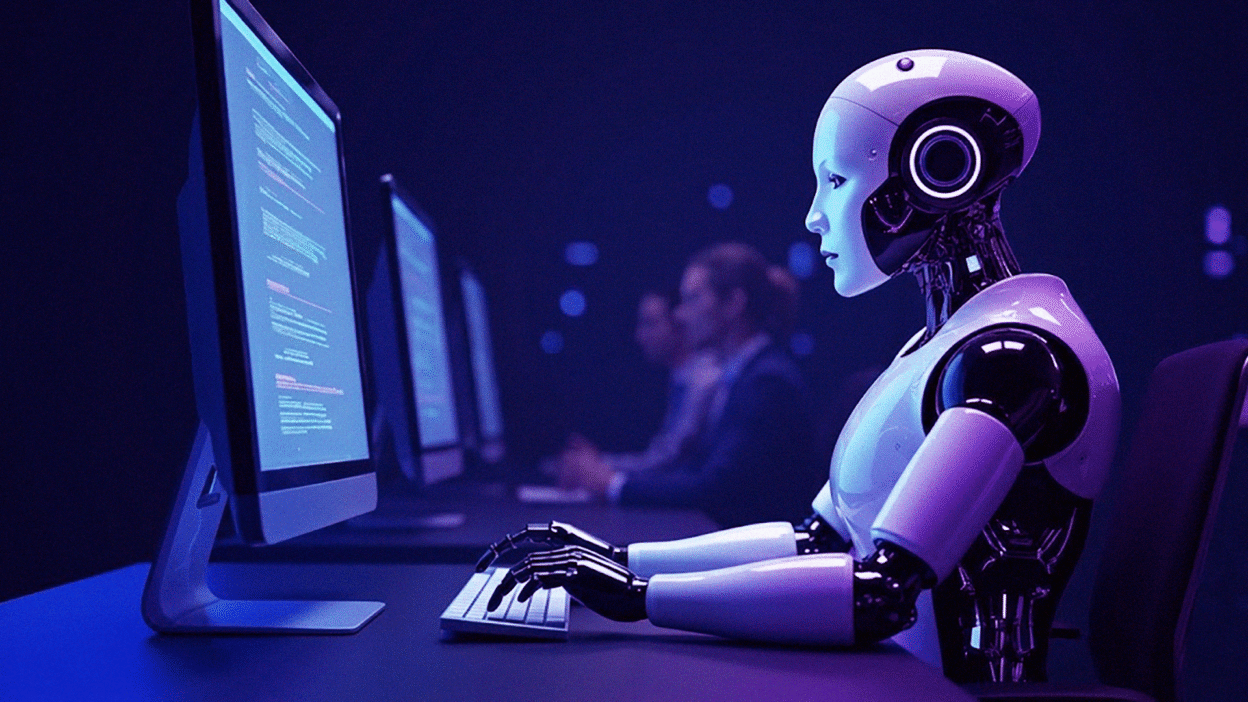
The 2026 AI revolution has officially moved beyond the screen as chatbots evolve into Physical AI. We have transitioned from “brains in a box” to multimodal foundation models integrated directly into robotic hardware. This allows machines to perceive and act within complex human environments. This shift defines a new era where software doesn’t just process data, it touches and transforms the physical world through agentic capabilities. The core thesis is that AI robots are no longer static tools. They are proactive teammates handling the dull, dirty, and dangerous tasks of the modern workforce.
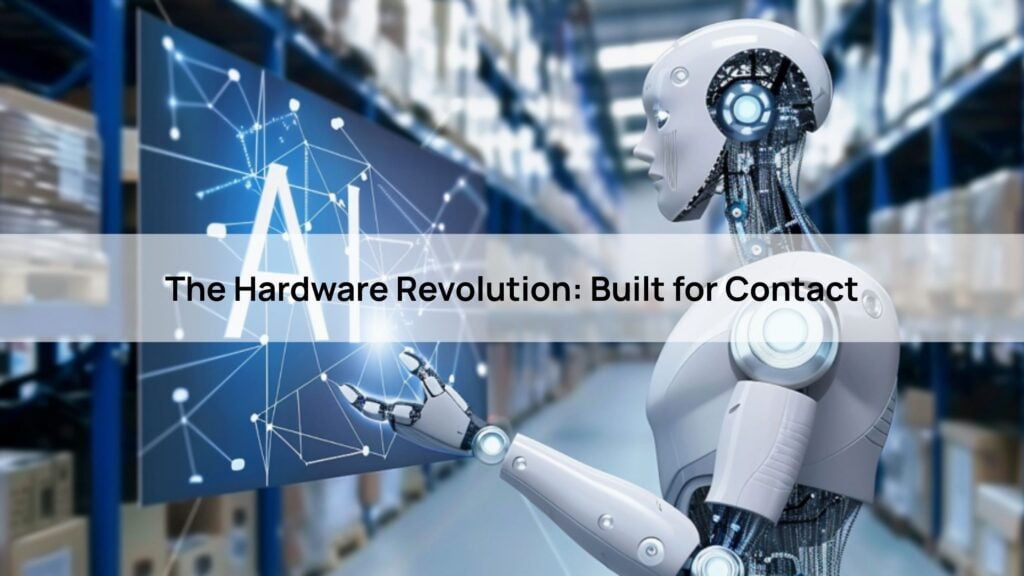
The Hardware Revolution: Built for Contact
Advanced Actuators and Sensors
The breakthrough in 2026 robotics lies in the integration of high-resolution haptic sensors and advanced electromagnetic actuators. Unlike the rigid movements of early models, modern AI robots utilize soft-touch tactile skins that mimic human nerve endings. This allows them to sense pressure, texture, and temperature. This “human touch” enables robots to handle delicate objects, from glassware to microchips with the precise grip force required, transforming them from clumsy machines into refined tools capable of sensitive contact.
The Power of NPUs
On-device Neural Processing Units (NPUs) are the central nervous system of the modern robot, eliminating the “lag” of cloud-based processing. For a robot to operate safely in a dynamic workforce, it must have millisecond-level reflexes to avoid obstacles or adjust its grip. By processing multimodal data locally, NPUs allow robots to interpret visual and tactile signals instantaneously. This edge computing capability is what enables “agentic” behavior, where the robot makes split-second decisions autonomously without waiting for a signal from a distant server.
Energy Efficiency
The dream of the 24-hour autonomous worker has been realized through 2026’s leap in solid-state battery technology and energy-efficient cooling. These high-density power cells provide the longevity needed for a standard 8-to-12-hour shift on a single charge. When combined with AI that optimizes motor output to reduce “vampire” power drain, these robots achieve true autonomy. This allows them to remain active participants in the workforce alongside their human counterparts without interruption.
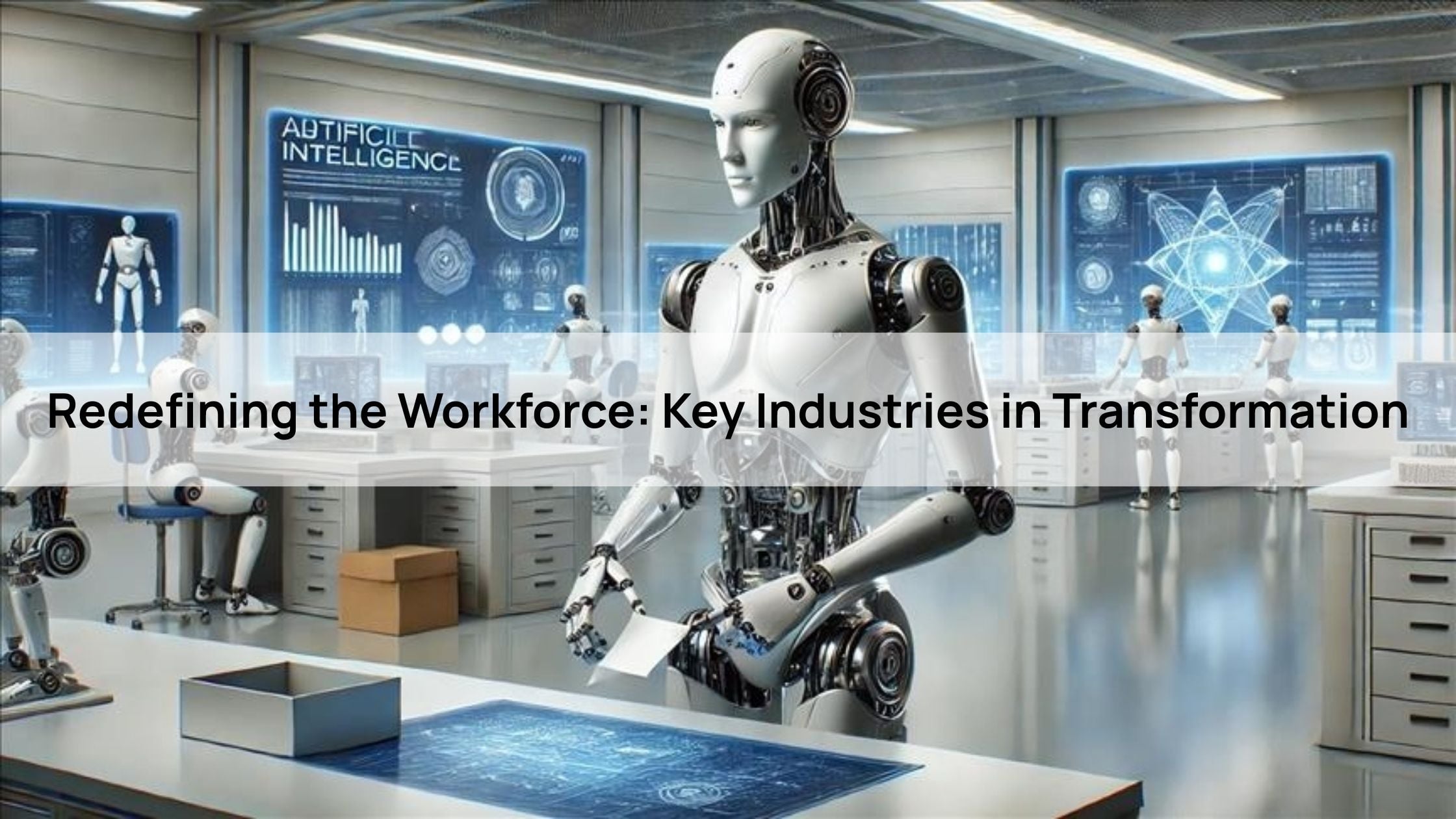
Redefining the Workforce: Key Industries in Transformation
Manufacturing & Logistics
The industrial landscape has shifted from isolated robotic arms to Collaborative Robots (Cobots) that work directly alongside human teams. In 2026, the traditional safety “cage” is gone, replaced by AI-driven spatial awareness. This allows robots to navigate busy warehouse floors and assembly lines with fluid, human-like precision. By taking over heavy lifting and repetitive sorting, these cobots act as physical force multipliers. This helps human productivity increases while maintaining a zero-accident environment through real-time proximity sensing.
Healthcare & Assistance
In healthcare, AI robots have evolved from simple delivery units to essential care assistants capable of high-stakes physical tasks. These machines now assist nurses with patient transfers using pressure-sensitive actuators, significantly reducing workplace injuries related to manual lifting. Beyond physical labor, they provide precision monitoring using multimodal sensors to detect subtle changes in a patient’s vitals or mobility.
The Service Sector
The service industry is leveraging AI robots to handle “contact” tasks in retail and hospitality without sacrificing customer experience. From autonomous concierges in hotels to interactive guides in retail flagship stores, these robots use natural language processing and facial expression recognition to maintain a “personal touch.” By automating inventory checks, room service deliveries, and check-in procedures, they free up human staff to handle nuanced guest relations. This creates a hybrid service model where efficiency and hospitality coexist seamlessly.
The “Agentic” Shift: From Programming to Training
End-to-End Learning
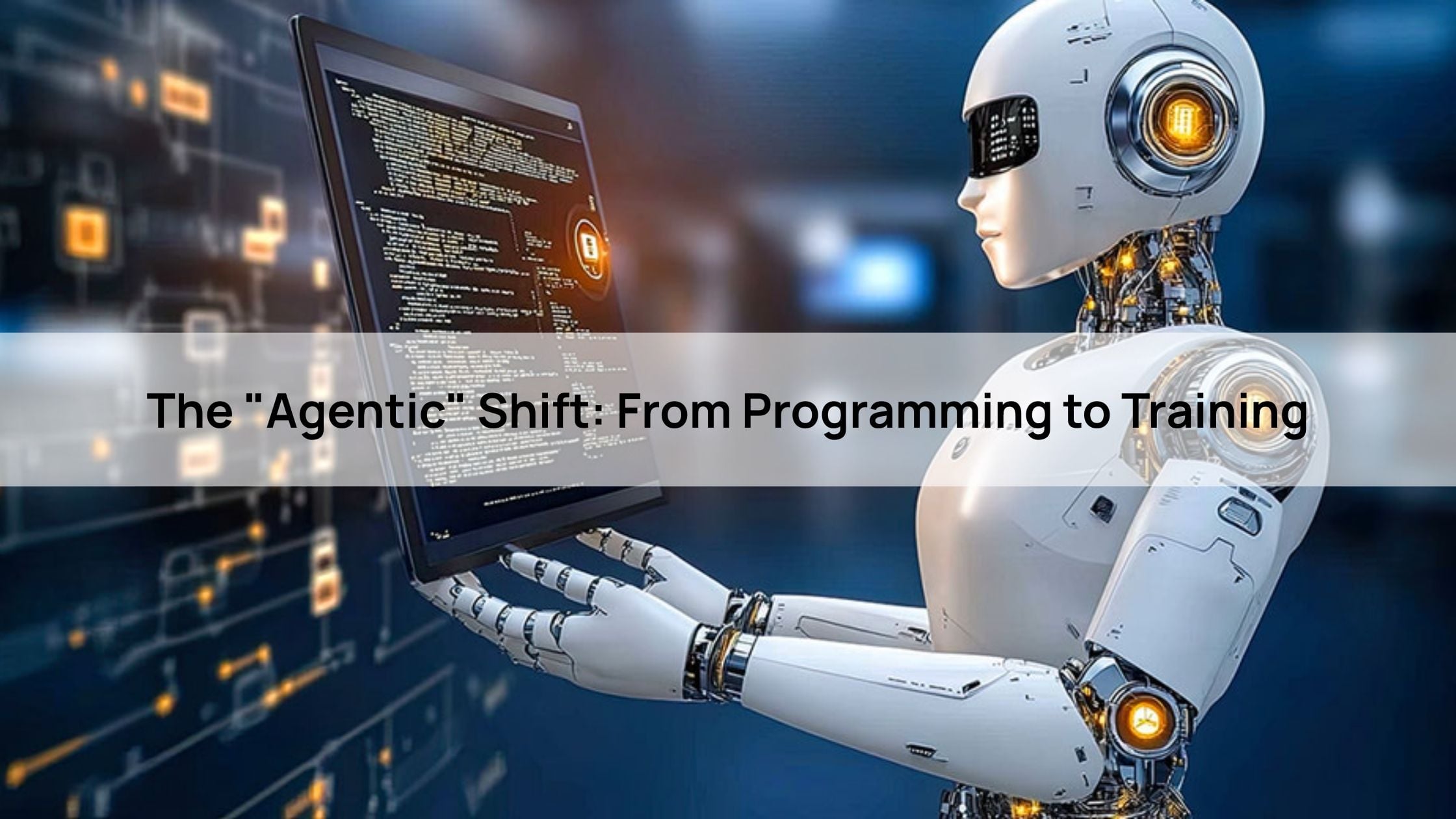
The era of rigid, line-by-line coding for every robotic movement is over. In 2026, robots utilize End-to-End Learning, allowing them to acquire complex skills simply by watching human demonstrations via computer vision. By mapping visual inputs directly to motor actions, these machines can master intricate tasks like folding laundry or sorting organic materials without a single manual script. This shift from “programming” to “teaching” allows businesses to deploy versatile robotic agents that adapt to new workflows in hours rather than months.
Natural Language Interaction
Interacting with a robot has evolved from complex terminal commands to simple, Natural Language Interaction. Thanks to onboard Large Language Models (LLMs), you can now give a robotic agent high-level, nuanced instructions like, “Find the damaged crates in aisle four and move them to the loading dock.” The robot understands the intent, context, and spatial requirements of the request. It translates your voice into a sequence of physical actions. This conversational interface removes the technical barrier to entry, making robotic teammates accessible to every member of the workforce.
Autonomous Decision Making
Modern AI robots have moved past the “error and stop” cycle, embracing Autonomous Decision Making to navigate real-world unpredictability. When a robotic agent encounters an unexpected obstacle such as a spilled liquid or a misplaced tool, it no longer freezes and waits for a human reset. Instead, it perceives the problem, evaluates alternative paths or solutions, and executes a corrective action in real-time. This “agentic” resilience ensures that operations remain fluid, as robots solve minor logistical hiccups on the fly to maintain peak productivity.
The Human Element: Synergy, Not Substitution
Augmenting Human Capability
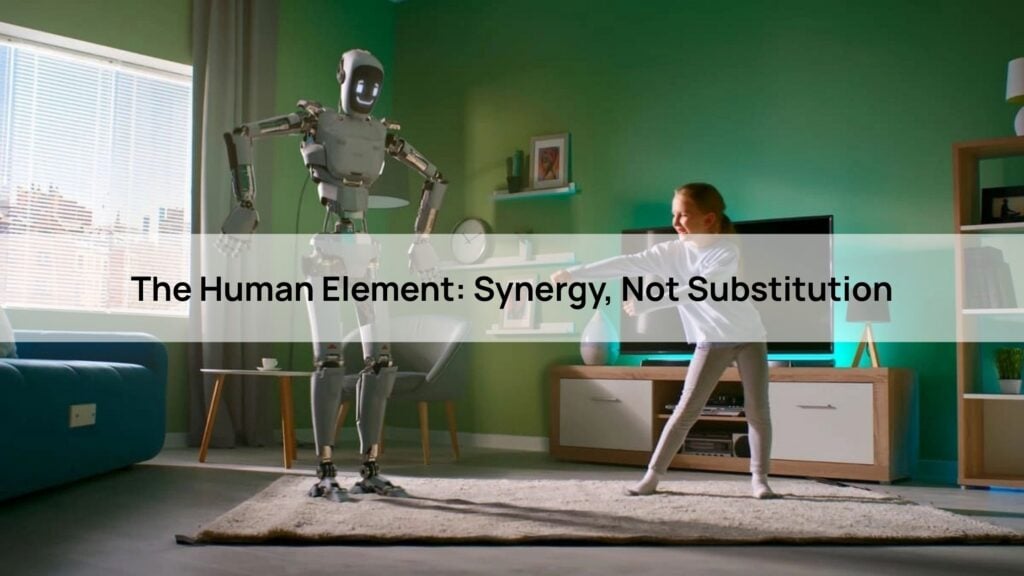
The primary role of physical AI in 2026 is to liberate the workforce from the “3 Ds”: Dull, Dirty, or Dangerous. By automating repetitive assembly, sanitation in hazardous environments, and heavy lifting in high-risk zones, AI robots act as physical force multipliers rather than replacements. This shift allows human workers to move away from physical strain and injury-prone labor, refocusing their energy on oversight, creative problem-solving, and higher-value operations that a machine cannot replicate.
New Job Categories
As traditional manual roles evolve, 2026 has seen the emergence of entirely new professional sectors, such as Robot Fleet Managers and AI Behavioral Trainers. These roles focus on orchestrating groups of autonomous agents, optimizing their workflows, and “teaching” them new edge-case scenarios through reinforced learning. Far from a shrinking labor market, the integration of robotics is creating a demand for a tech-augmented middle class that specializes in human-robot synergy, ensuring that the “contact” between code and reality remains efficient and safe.
The Empathy Gap
Despite the mechanical precision of modern AI, there remains a definitive Empathy Gap that defines the limit of automation. Tasks requiring genuine emotional intelligence, ethical judgment, and complex interpersonal nuances, such as palliative care, crisis counseling, and high-level negotiations remain exclusively human. While a robot can monitor vitals or deliver supplies, it cannot provide the “human heart” required for deep connection.
Challenges & Ethics: Privacy and Safety in 2026
Data Sovereignty
As AI robots navigate our homes and offices, the question of Data Sovereignty has become a central legal battleground in 2026. Because these machines use high-definition cameras and LiDAR to “see,” they constantly collect petabytes of environmental data, often including sensitive human interactions. The current standard mandates that visual data must be processed on-device (Edge AI) and “anonymized at the source,” ensuring that the robot remembers the layout of a room without storing the faces or private documents it encountered. Ownership of this data now rests strictly with the end-user or the facility owner, preventing manufacturers from using “environmental mapping” as a secondary stream for targeted advertising.
Safety Protocols
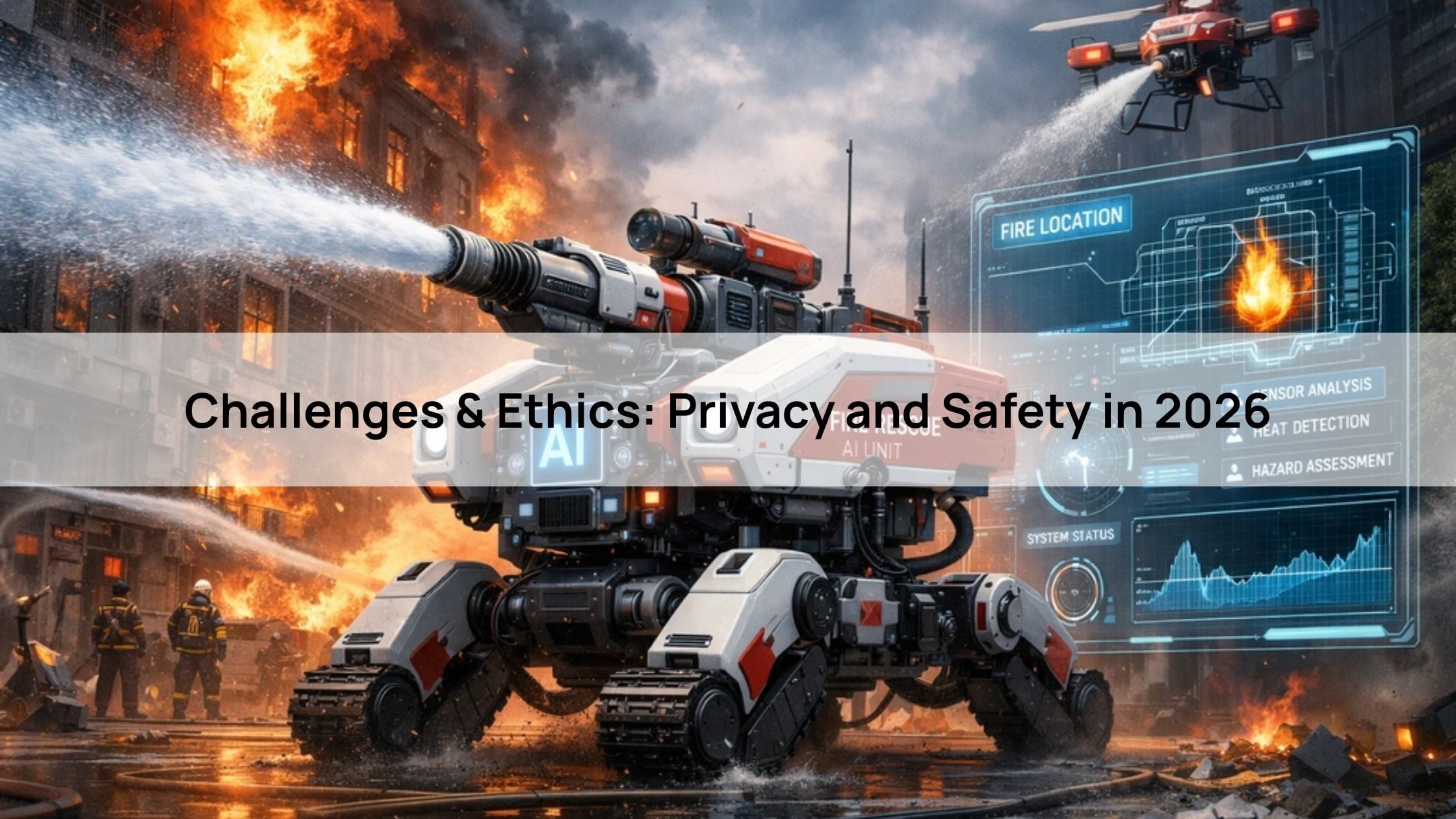
In a world where humanoid robots share our hallways, the classic “Three Laws” have been replaced by rigorous Dynamic Safety Protocols. Modern 2026 robots operate on a “Zero-Kinetic-Impact” mandate, where high-speed sensors and NPUs calculate potential collisions 120 times per second. If a human enters a robot’s immediate “safety bubble,” the machine’s actuators automatically lose tension, entering a passive, soft-state to prevent injury.
Regulatory Landscape
The Regulatory Landscape of 2026 has caught up with the hardware, establishing clear “AI Labor Laws” that govern human-robot interaction. These regulations mandate “The Right to Human Oversight,” ensuring that no autonomous fleet can operate without a licensed human manager capable of a physical kill-switch override. Furthermore, new tax frameworks, often called “Robot Dividends” are being implemented in several regions to fund workforce retraining programs. It ensures that the economic gains from robotic productivity are used to transition human workers into the higher-value “Agentic Management” roles created by this new era.
Conclusion
The transition in 2026 marks the definitive evolution of AI from a digital assistant to a physical teammate. The on-device NPUs and agentic robotics liberate the human workforce from repetitive labor to drive a new era of collaborative productivity and workplace safety.
About Herond
Herond Browser is a cutting-edge Web 3.0 browser designed to prioritize user privacy and security. By blocking intrusive ads, harmful trackers, and profiling cookies, Herond creates a safer and faster browsing experience while minimizing data consumption.
To enhance user control over their digital presence, Herond offers two essential tools:
- Herond Shield: A robust adblocker and privacy protection suite.
- Herond Wallet: A secure, multi-chain, non-custodial social wallet.
As a pioneering Web 2.5 solution, Herond is paving the way for mass Web 3.0 adoption by providing a seamless transition for users while upholding the core principles of decentralization and user ownership.
Have any questions or suggestions? Contact us:
- On Telegram https://t.me/herond_browser
- DM our official X @HerondBrowser
- Technical support topic on https://community.herond.org