

Traditional wallets, physical or digital, share the same fundamental flaws: fragmented across dozens of accounts and platforms, dependent on constant manual management, and persistently vulnerable to fraud and theft. A smart wallet in 2026 means something far more powerful than a place to store cards or crypto. In this guide, you will learn what smart wallets are, how they work, and why the shift to intelligent. Autonomous financial management is the most important upgrade you can make to your financial life right now.
The Evolution of the Wallet
For decades, the wallet was a simple physical object: cards, cash, and identity documents carried in a pocket. The shift to digital began slowly, then accelerated rapidly as smartphones became the primary interface for everyday financial life.
The first wave – mobile payments: Apple Pay and Google Pay, brought the wallet to the lock screen, making tap-to-pay frictionless, fast, and mainstream. Convenient, but ultimately still a digital replica of the physical wallet with no intelligence of its own.
The second wave, crypto wallets and self-custody: Bitcoin, Ethereum, and the rise of Web3, introduced a fundamentally new kind of wallet, one that gave users true ownership of their digital assets without relying on banks or intermediaries. Powerful, but complex, fragile, and inaccessible to the majority of users.
The third wave – AI-powered smart wallets: The wallet of 2026 thinks, acts, and protects autonomously. Combining agentic AI, keyless authentication, and native Web3 support, smart wallets are no longer passive storage tools. They are intelligent financial agents that manage, optimize, and secure your entire financial life without manual intervention.
Security: The New Gold Standard
Moving Beyond Passwords
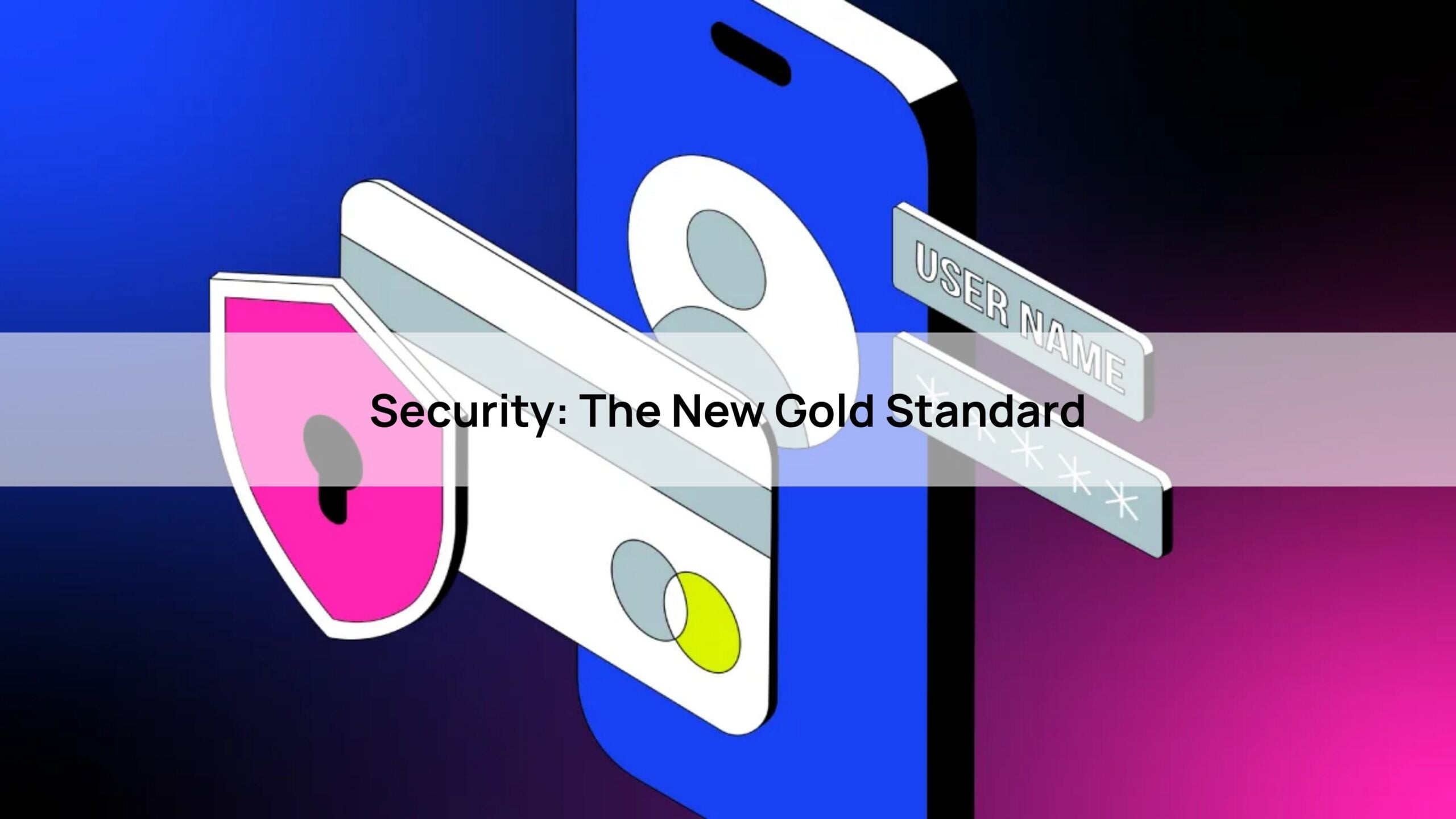
The password is dying and smart wallets in 2026 are accelerating its demise. Biometric authentication, using face recognition, fingerprint scanning, and behavioral patterns, has replaced the fragile, forgettable password as the primary security layer for financial access, delivering protection that is simultaneously more secure and more seamless than anything a typed credential could provide. Underpinning it all is multi-party computation (MPC) – a cryptographic approach that distributes key management across multiple parties.
AI-Powered Threat Detection
Smart wallets in 2026 don’t just store value, they actively defend it. The critical design choice facing smart wallet providers is where AI runs on-device processing keeps sensitive financial data entirely local and private. While cloud-based security offers broader threat intelligence and more powerful models.
Self-Custody Without the Risk
Social recovery and guardian systems add a human layer to this protection, enabling trusted contacts or devices to collectively authorize wallet recovery when primary access is lost – distributing the risk of failure across a network of trusted parties rather than concentrating on a single vulnerable credential. Rounding out the protection ecosystem, on-chain insurance and dispute resolution mechanisms provide financial recourse and transparent adjudication for the transactions and incidents that even the best security systems occasionally cannot prevent.
Automation: Your Wallet Works While You Sleep
Automated Financial Routines
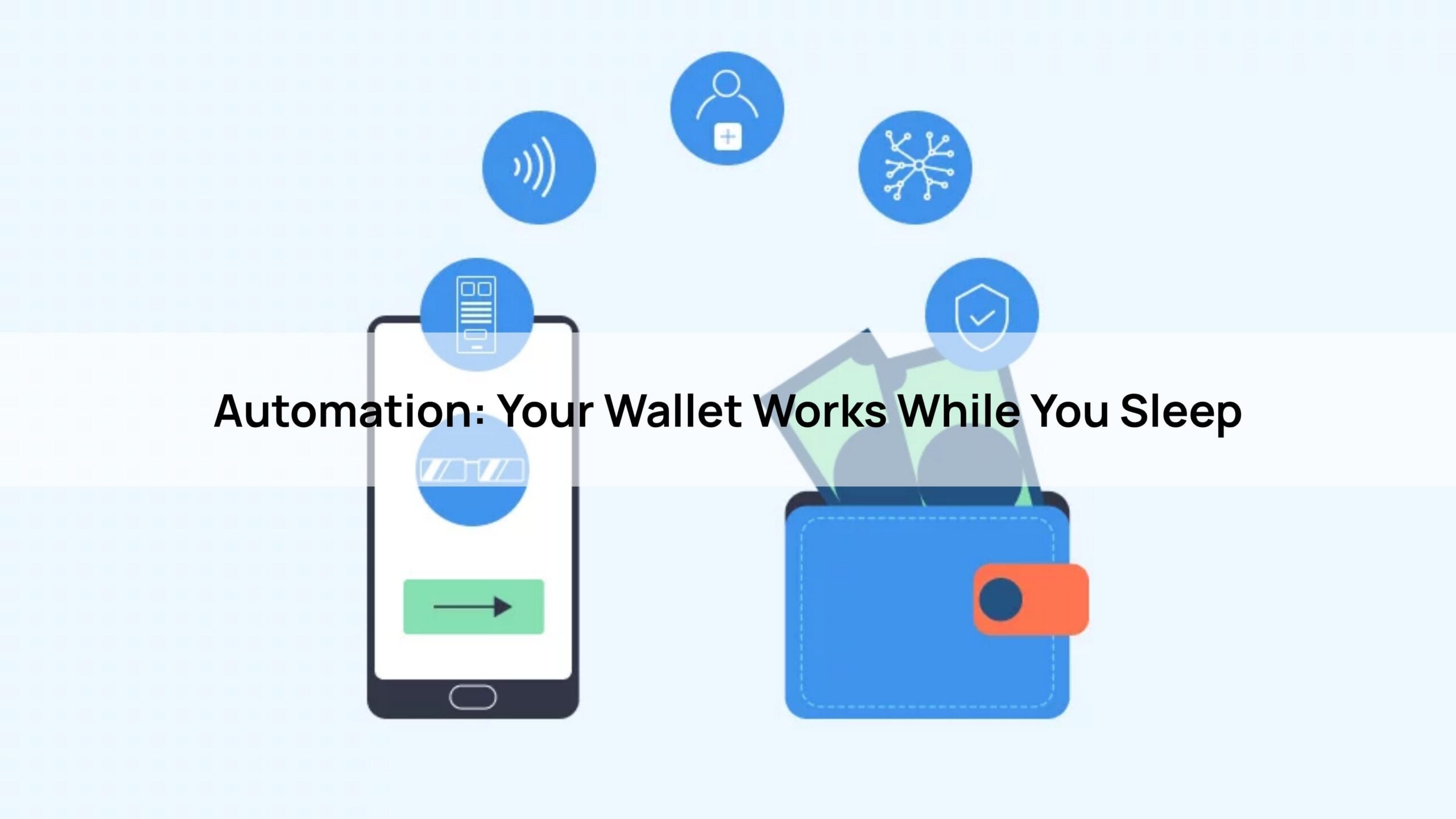
Smart wallets in 2026 don’t just hold your money, they actively manage it. Recurring payments and subscription management are handled with AI oversight that tracks every commitment, flags unused subscriptions, and ensures no payment ever surprises you, giving you complete visibility and control over your financial obligations without the cognitive load of tracking them yourself.
Agentic Transactions
The most transformative capability of smart wallets in 2026 is not what they store, it is what they do. AI agents embedded directly into the wallet layer execute payments autonomously based on user-defined conditions, triggering transactions when prices hit target thresholds, releasing funds when smart contract conditions are met, and completing entire purchasing workflows without a single manual confirmation required. Cross-chain and cross-currency automation removes the last remaining friction from multi-asset financial management: converting, bridging, and settling across blockchains and currencies in real time.
DeFi Automation for the Mainstream
Gas fee management and transaction batching intelligently consolidate multiple on-chain actions into single optimized transactions, minimizing the fees that have historically made small DeFi interactions economically unviable for everyday users. And one-click access to complex financial products: lending, borrowing, staking, and derivatives, abstracts away the multi-step, multi-platform workflows that once demanded deep technical expertise, making the full power of decentralized finance as accessible as a single tap.
Key Players & Ecosystem in 2026
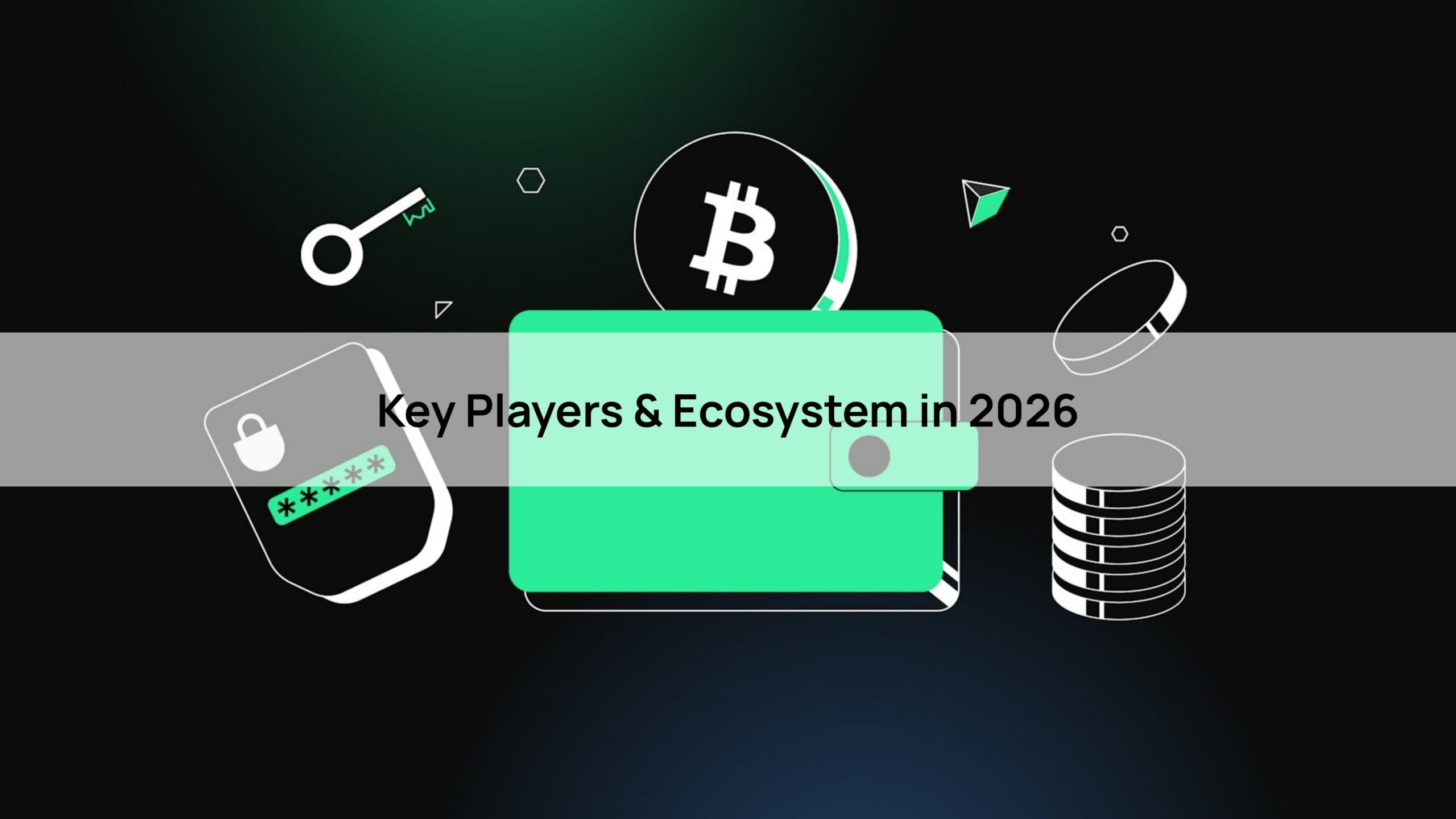
Crypto-native projects like Argent, Safe, and Coinbase Wallet prioritize self-custody, MPC security, and DeFi integration. Big tech players like Apple and Google leverage massive distribution and consumer trust to bring smart wallet features to billions of mainstream users, but within closed, centralized ecosystems that trade sovereignty for convenience. Fintech challengers and AI-native platforms are carving out the middle ground, combining consumer-grade usability with agentic intelligence.
What This Means for Users & Businesses
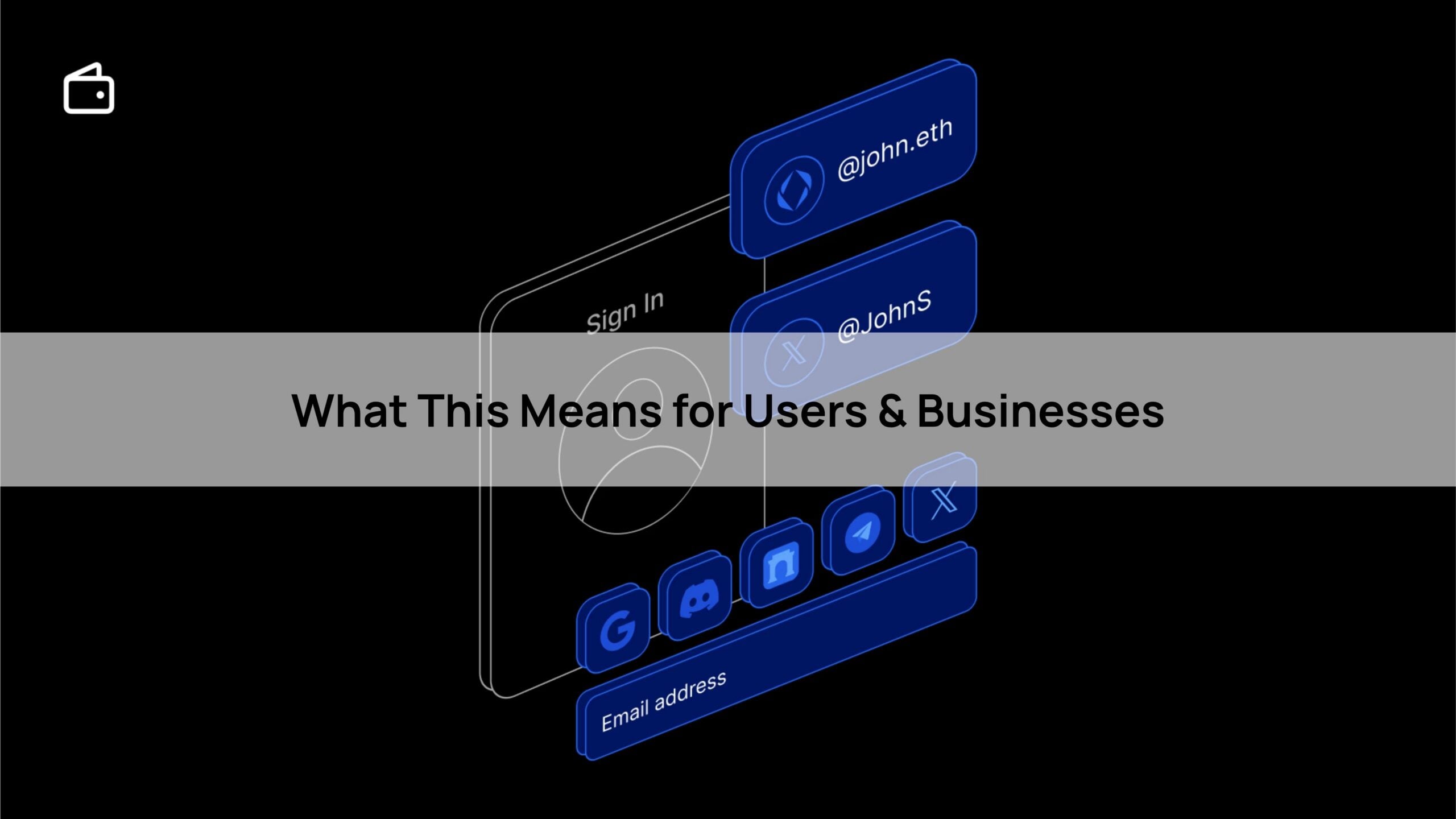
For individual users, smart wallets deliver financial autonomy without financial expertise. Any user with a smart wallet has an intelligent AI agent managing their money around the clock, optimizing spending, protecting assets, and navigating Web2 and Web3 finance seamlessly without requiring any technical or financial knowledge to benefit.
For businesses, smart wallets unlock entirely new commercial infrastructure. From frictionless payment rails and AI-powered loyalty systems to B2A commerce, where products must be optimized for AI purchasing agents, the businesses that build smart wallet integration today are positioning themselves at the front of a transformation that will reshape how value flows between companies and customers.
For developers, smart wallets are one of the most fertile building opportunities on Web3. Open wallet infrastructure, agent SDKs, and composable financial primitives create a platform for building entirely new categories of intelligent financial applications, laying the foundation for a financial internet that is as open, programmable, and powerful as the web itself.
Conclusion
The smart wallet of 2026 is not an upgrade, it is a reinvention. From biometric authentication and AI-powered threat detection to agentic transactions and automated DeFi optimization, smart wallets have evolved from passive storage tools into intelligent financial agents that secure, automate, and simplify your entire financial life without requiring expertise or manual intervention. The future of finance is intelligent, agentic, and already here and the smart wallet is where it lives.
About Herond
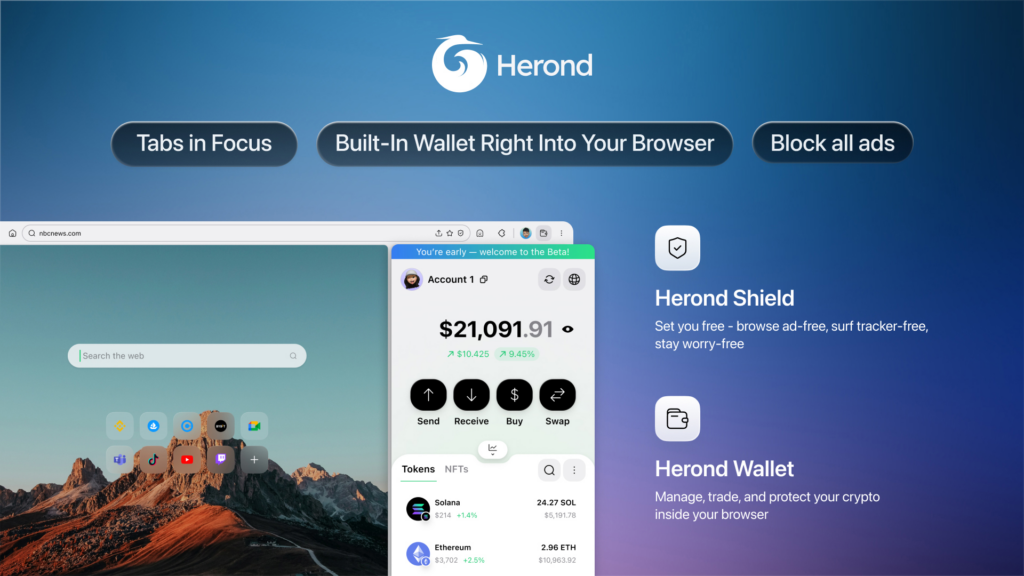
Herond Browser is a cutting-edge Web 3.0 browser designed to prioritize user privacy and security. By blocking intrusive ads, harmful trackers, and profiling cookies, Herond creates a safer and faster browsing experience while minimizing data consumption.
To enhance user control over their digital presence, Herond offers two essential tools:
- Herond Shield: A robust adblocker and privacy protection suite.
- Herond Wallet: A secure, multi-chain, non-custodial social wallet.
As a pioneering Web 2.5 solution, Herond is paving the way for mass Web 3.0 adoption by providing a seamless transition for users while upholding the core principles of decentralization and user ownership.
Have any questions or suggestions? Contact us:
- On Telegram https://t.me/herond_browser
- DM our official X @HerondBrowser
- Technical support topic on https://community.herond.org