
The browser you use today will be virtually unrecognizable by 2030 and that transformation is already underway. But what is happening now is different. The next five years will bring more change to web browsing than the previous thirty combined. In this article, you will learn exactly how browsers are evolving, what technologies are driving that transformation, and what the future of browser will look and feel like by 2030.
Where We Are Today: The Future of Browser in 2026
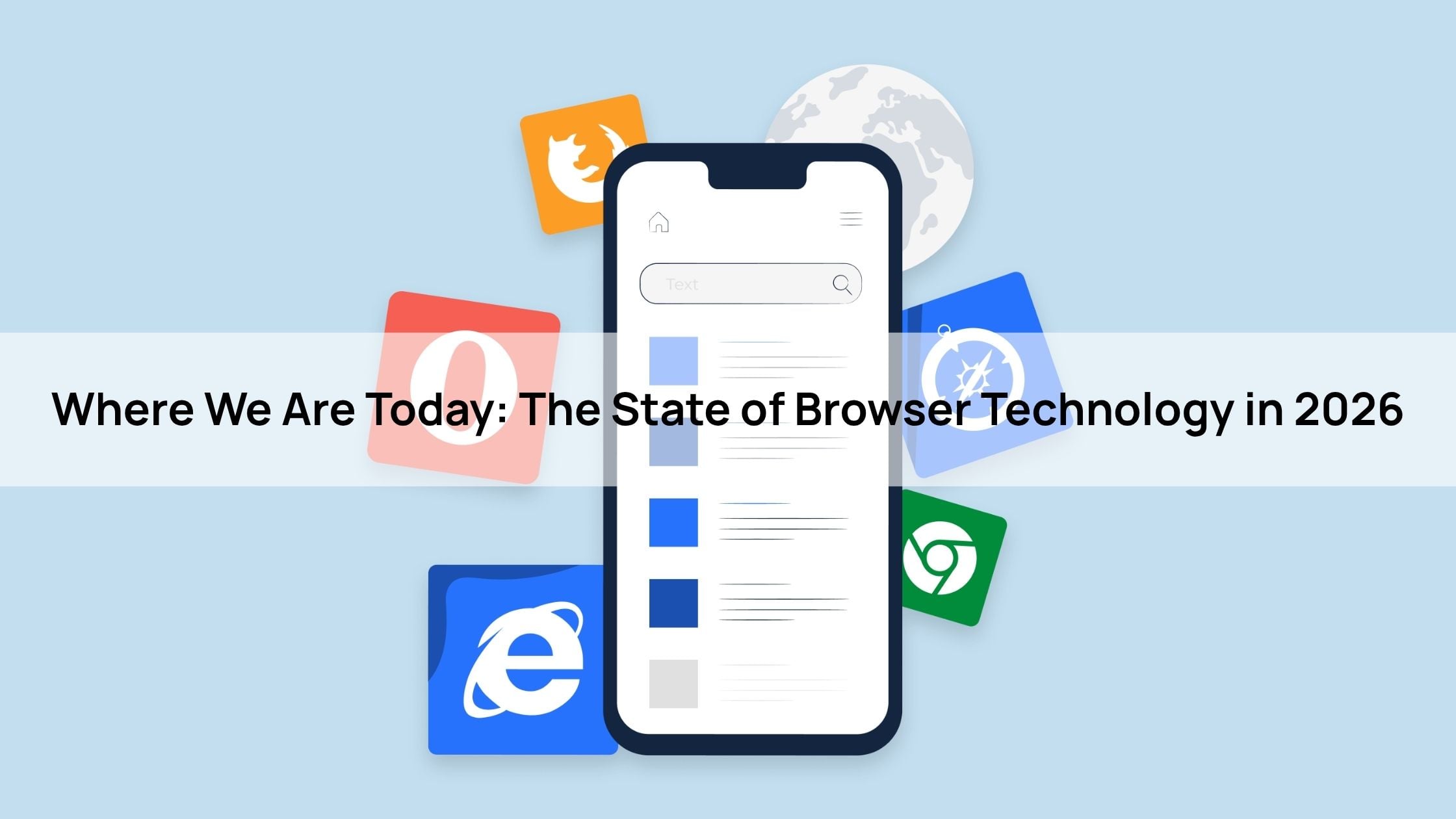
The dominance of Chrome, Safari, and Firefox in 2026
Chrome holds the largest share of global web traffic, Safari remains deeply embedded in the Apple ecosystem, and Firefox continues to serve its loyal privacy-focused community. Together they account for the overwhelming majority of all browsing activity worldwide.
The limitations of today’s browsers in the AI and Web3 era
Built for a web of static pages and passive scrolling, traditional browsers have no native AI reasoning, no built-in crypto wallet, no autonomous task execution, and no meaningful privacy protection beyond basic incognito mode.
The early rise of AI-powered and agentic browsers
Pioneers like Herond are leading this transition, offering users a browser that doesn’t just display the web but actively reasons, plans, and acts within it.
Why are traditional browsers no longer enough for the modern web
The modern web demands a browser that understands intent, executes tasks autonomously, protects privacy by default, and navigates Web3 natively.
The Key Forces Shaping the Future of Browser Technology
Artificial Intelligence
This shift from AI as a feature to AI as the foundation of the browsing experience is the single most powerful force reshaping what browsers are, what they do, and what users will come to expect from them by 2030.
Web3 and decentralization
As Web3 adoption accelerates, browsers must evolve to support decentralized applications, native crypto wallets, and self-sovereign identity natively to transform from simple content viewers into gateways to a more open, equitable, and user-owned internet.
Agentic AI
Unlike traditional AI features that assist users with individual tasks, agentic browsers act, transact, and decide autonomously, executing multi-step workflows, completing purchases, managing digital assets, and navigating the decentralized web on the user’s behalf.
Privacy regulation
For browser makers, compliance is no longer optional, it is a baseline requirement. And for users, regulation is accelerating the demand for browsers that treat privacy not as a legal checkbox, but as a genuine architectural commitment built into every layer of experience.
The death of the cookie
As major browsers phase out third-party cookie support and users grow increasingly aware of how their data is being used, a new standard is emerging: browsers that are private by default, transparent by design, and built to protect rather than exploit the people using them.
The Rise of the Agentic Browser
What is an agentic browser and how does it differ from today’s browsers
It understands context, interprets intent, and takes action on the user’s behalf across the full complexity of the modern web. The difference is not incremental.
How agentic AI transforms passive browsing into autonomous action
Instead of spending time searching, clicking, comparing, and navigating manually, users simply express a goal and the agentic browser reasons through the most efficient path, executes the necessary steps, and delivers the outcome. Browsing stops being a task you perform and becomes a service that performs for you.
Key capabilities of agentic browsers: reasoning, planning, transacting
Reasoning allows the browser to understand complex, multi-layered goals and determine the best approach to achieving them. Planning breaks those goals into actionable sequences, identifying dependencies and optimizing the order of execution for maximum efficiency.
Why agentic browsers are the inevitable future of browser interaction
The passive, manual browsing experience of today will feel as outdated in five years as dial-up internet feels today.
Herond as the pioneering Agentic Browser leading this transition
As the first browser to fully embody the agentic paradigm, Herond is not just participating in the future of browsing. It defines it, one autonomous action at a time.
The Future of Browser Monetization
The death of the ad-driven browser model
For decades, the dominant monetization strategy for browsers and the web platforms they access has been the same: harvest user data, sell it to advertisers, and deliver targeted ads that users never asked for and increasingly resent. This model has funded the internet’s growth, but at an enormous cost to user privacy, trust, and autonomy.
How future browsers will reward users for their attention and data
This shift from users as products to users as participants represents one of the most profound changes in the economics of the internet since the web went commercial.
Token-based browsing economies and user ownership models
By leveraging blockchain technology and Web3 infrastructure, future browsers can create native token ecosystems where users earn digital assets for their browsing activity, content engagement, and data contributions with full transparency over how that value is generated and distributed.
Privacy-preserving advertising in the future browser ecosystem
Using technologies like zero-knowledge proofs and on-device AI processing, future browsers can deliver contextually relevant advertising based on user interests without ever exposing personal data to third parties.
How Web3 enables new monetization models for both browsers and users
For browsers like Herond, Web3 monetization means building a sustainable business model that is aligned with user interests rather than opposed to them, where the browser, the user, and the broader Web3 ecosystem all grow and prosper together.
Timeline: How Browsers Will Evolve by 2030
2026 – 2027 – Agentic browsers go mainstream, Web3 becomes native
The browser wars of this era are not fought over speed or design, they are fought over intelligence, autonomy, and who can best navigate the decentralized web on the user’s behalf.
2027 – 2028 – Extensions disappear, AI assistants become standard
Simultaneously, AI assistants embedded directly into the browser become as expected and essential as the address bar itself, fundamentally changing how users interact with the web from a series of manual clicks to a continuous, intelligent conversation with their browser.
2028 – 2029 – Cross-platform, multi-device browsing fully unified
Context, memory, preferences, and active tasks follow users fluidly from screen to screen, with AI maintaining a complete understanding of the user’s goals regardless of which device they pick up.
2029 – 2030 – Fully autonomous browsers redefine the web experience
Users set high-level goals, plan a trip, manage my investments, research and purchase the best option, and the browser executes them end-to-end without step-by-step guidance. Human interaction shifts from directing the browser to reviewing and approving the outcomes it delivers, fundamentally inverting the relationship between user and tool that has defined web browsing since its inception.
2030 and beyond – The browser becomes the operating system of the internet
As the web absorbs more of what was once done in native applications, work, finance, communication, entertainment, and commerce, the browser evolves into the primary interface for human digital life. The browser of 2030 and beyond is not an application you open. It is the environment you live in.
Conclusion
The future of the browser is not a distant vision, it is a transformation already in motion. By 2030, the passive, click-driven browsing experience that billions of people use today will be as obsolete as the dial-up modem, replaced by intelligent, autonomous browsers that navigate the full complexity of the web the way a skilled personal assistant would. The question is not whether this future is coming. It is whether you will be ready for it when it arrives. With Herond leading the charge as the pioneering Agentic Browser for Web3, that future is not something you have to wait for, it is something you can experience today.
About Herond
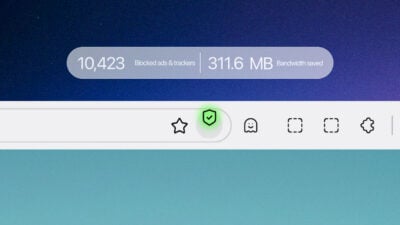
Herond Browser is a cutting-edge Web 3.0 browser designed to prioritize user privacy and security. By blocking intrusive ads, harmful trackers, and profiling cookies, Herond creates a safer and faster browsing experience while minimizing data consumption.
To enhance user control over their digital presence, Herond offers two essential tools:
- Herond Shield: A robust adblocker and privacy protection suite.
- Herond Wallet: A secure, multi-chain, non-custodial social wallet.
As a pioneering Web 2.5 solution, Herond is paving the way for mass Web 3.0 adoption by providing a seamless transition for users while upholding the core principles of decentralization and user ownership.
Have any questions or suggestions? Contact us:
- On Telegram https://t.me/herond_browser
- DM our official X @HerondBrowser
- Technical support topic on https://community.herond.org