

Confused by endless privacy policies and terms of service walls? You’re not alone, most users skim or skip them, risking data exposure in a Web3 world where every click counts. Understanding the difference of privacy policy or privacy notice is crucial: Privacy Policies detail data collection and usage, while Terms of Service govern platform rules and liabilities, and companies strategically blur them to maximize control. Herond demystifies this to empower you with self-custodial tools that prioritize sovereignty, read on to learn key distinctions, spot red flags, and safeguard your assets in decentralized browsing.
What is a Privacy Policy?
Definition & Purpose
A Privacy Policy is a comprehensive legal document that transparently outlines all data collection, use, and sharing practices, ensuring users understand how their personal information, like browsing habits or wallet addresses is handled. It’s legally required in most jurisdictions under regulations such as GDPR in Europe and CCPA in California, protecting consumer rights with clear disclosures. You’ll typically find it linked in the website footer, making it accessible for quick reviews before engaging with platforms like Herond’s privacy-first browser.

What It Must Include
- Types of data collected
- How data is collected (cookies, forms, tracking)
- Purposes for data use
- Third-party sharing and disclosure
- Data retention periods
- User rights (access, deletion, portability)
- Contact information for privacy inquiries
- Updates and effective dates
What is a Privacy Notice?
Definition & Purpose
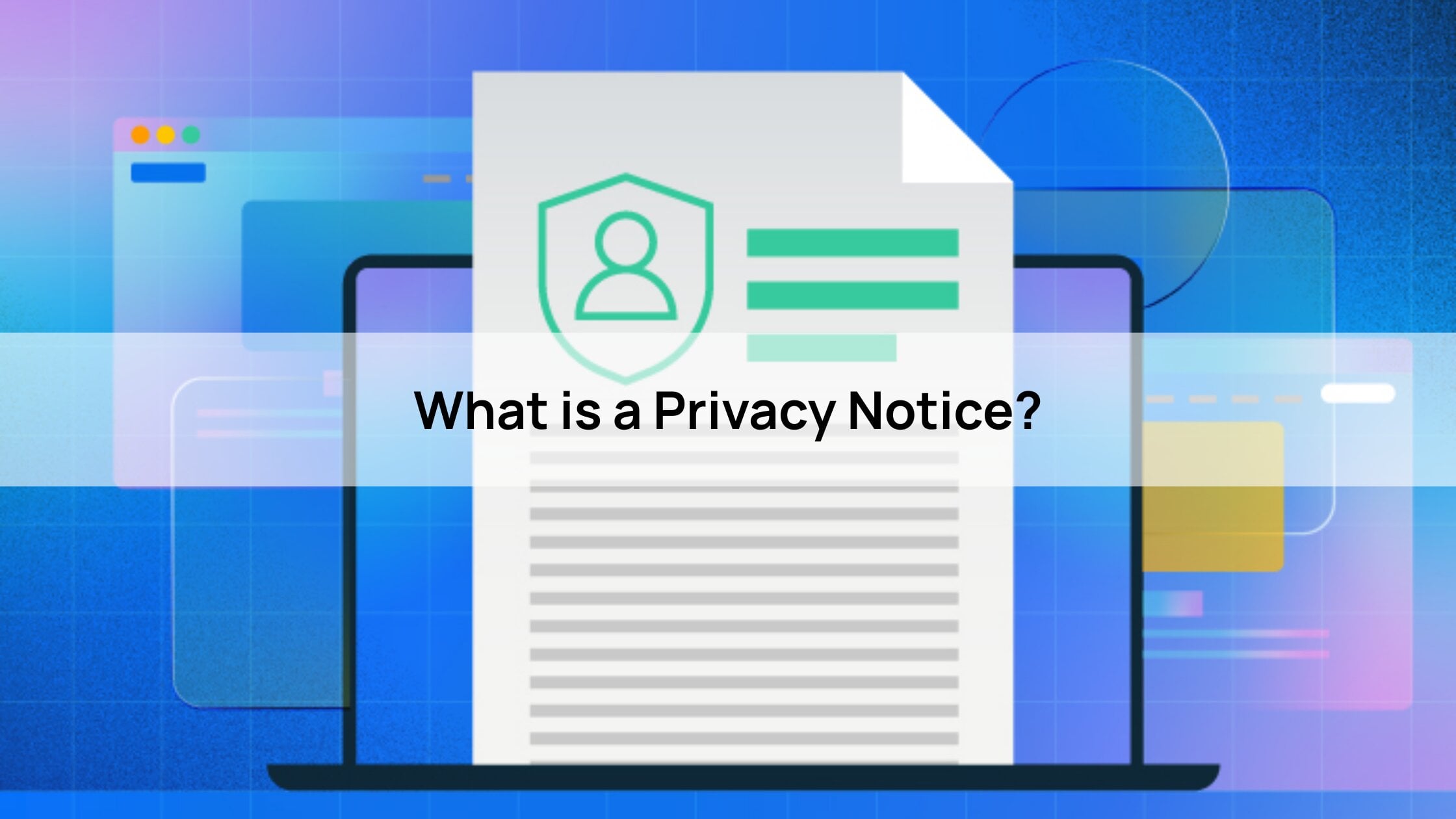
A Privacy Notice delivers just-in-time notification at the exact data collection point, offering shorter, more focused transparency than a full policy to inform users instantly about specific practices. It provides immediate clarity on what data is being gathered, like IP addresses or preferences and how it’s used, building trust during interactions. Common examples include pop-ups on login forms, cookie consent banners, or Web3 wallet connection prompts, ensuring Herond users stay informed without disrupting their decentralized browsing flow.
When & Where They Appear
- At point of data collection
- Before users submit information
- During account creation
- When enabling specific features
- Cookie consent banners
Key Differences Explained Between privacy policy or privacy notice
Comparison Table
| Aspect | Privacy Policy | Privacy Notice |
| Length | Comprehensive (5-20+ pages) | Brief (1-2 paragraphs) |
| Timing | Always accessible | Point of collection |
| Scope | All practices | Specific instance |
| Legal Status | Required legal document | Supplementary transparency |
| Location | Footer, dedicated page | Forms, pop-ups, banners |
| Updates | Periodic, with notification | As needed per feature |
Why This Distinction Matters
For Users
- Informed consent: Understanding what you’re agreeing to
- Data protection: Knowing your rights at crucial moments
- Red flags: Identifying vague or misleading practices
- Control: Making better privacy decisions
For Companies
- Legal compliance: Meeting regulatory requirements
- User trust: Demonstrating transparency
- Liability protection: Clear documentation of practices
- Brand reputation: Privacy as competitive advantage
Herond’s Approach to Privacy
Herond Privacy Policy Highlights
Herond takes a minimal approach to data collection, gathering only essential, non-identifiable usage metrics like anonymized browser interactions and crash reports to improve performance, never touching private keys, transaction histories, or personal identifiers.
What Herond Doesn’t Collect
Herond explicitly doesn’t collect wallet balances, IP addresses, browsing history, or any off-chain personal data; we skip telemetry tracking, ad profiling, or third-party analytics, ensuring no shadows follow your Web3 activity.

Web3 Decentralization Principles
Guided by Web3 principles, Herond’s privacy policy embraces decentralization by design, favoring on-device processing, self-custodial wallets, and blockchain-native verification to keep control of users, not centralized servers.
User Control and Ownership
Full user control and ownership define Herond: export or delete your data anytime, customize privacy settings per dApp, and revoke permissions instantly, empowering you to own your digital sovereignty in every interaction.
Conclusion
Privacy Policies and Notices both safeguard your data but differ in scope. Policies offer comprehensive overviews while Notices provide just-in-time alerts. Understanding this empowers you to spot gaps and demand transparency from platforms. Herond leads with minimal collection, zero tracking of wallets or history, and full user ownership through self-custodial design, embodying true Web3 privacy. Next time you see a footer link or cookie banner, dig in your sovereignty depends on it; start browsing securely with Herond today.
About Herond
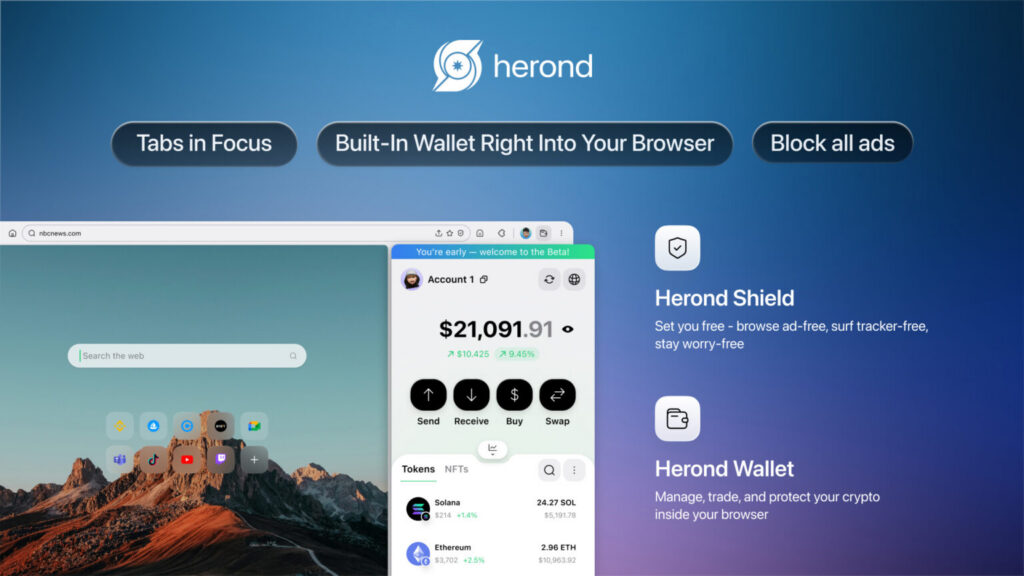
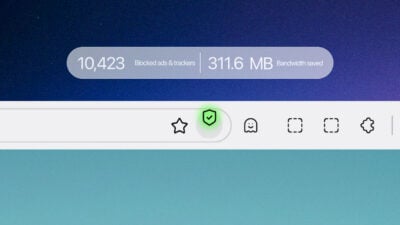
Herond Browser is a cutting-edge Web 3.0 browser designed to prioritize user privacy and security. By blocking intrusive ads, harmful trackers, and profiling cookies, Herond creates a safer and faster browsing experience while minimizing data consumption.
To enhance user control over their digital presence, Herond offers two essential tools:
- Herond Shield: A robust adblocker and privacy protection suite.
- Herond Wallet: A secure, multi-chain, non-custodial social wallet.
As a pioneering Web 2.5 solution, Herond is paving the way for mass Web 3.0 adoption by providing a seamless transition for users while upholding the core principles of decentralization and user ownership.
Have any questions or suggestions? Contact us:
- On Telegram https://t.me/herond_browser
- DM our official X @HerondBrowser
- Technical support topic on https://community.herond.org