

For decades, web browsing meant manually clicking through static blue links and search results to shop, compare, and buy. Now in 2025–2026, the agentic web frontier emerges: AI-powered browsers reason, plan, act, and transact autonomously for users, bridging Web2 giants and Web3 privacy-focused innovators.
What is an Agentic Browser?
An agentic browser is an AI-powered web browser that acts as an autonomous agent, supporting human tasks in the browser such as navigating websites, purchasing tickets, scheduling calendar events, researching topics, and more.
For example, you could ask the agent to “Buy a cartoon movie ticket at a nearby location.” It would recommend a movie, a cinema, and a link to buy the ticket.
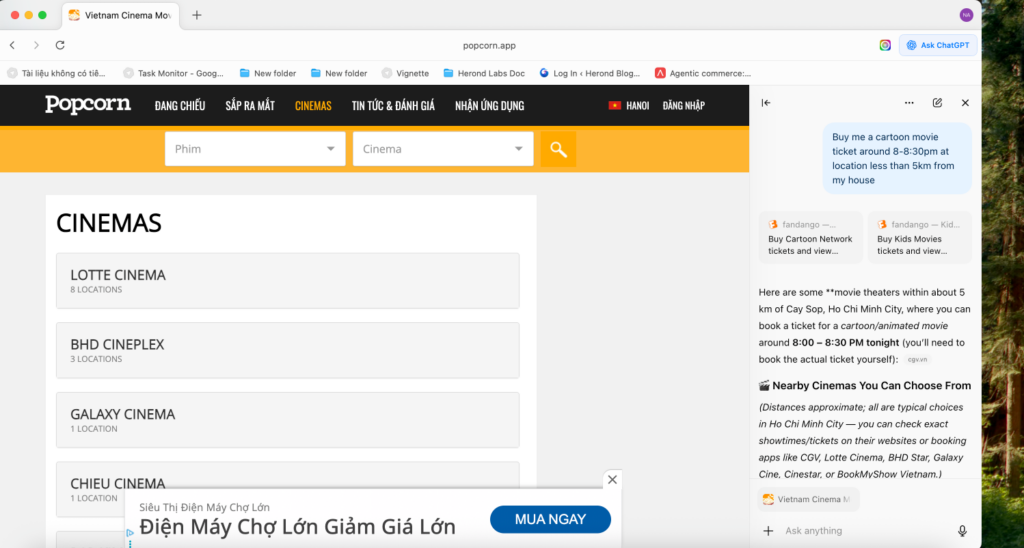
Figure 1: Agentic Atlas browser powered by ChatGPT
Compared to traditional browsers, which are mostly passive and rely to navigate—agentic ones act more like a smart assistant that understands user intent and handles multi-step tasks to achieve user’s end goal.
Some core features of agentic browsers:
- Intelligence: Powered by AI models that understand context, learn, and evolve over time.
- Autonomy: These agents work independently, proactively handling various tasks without explicit user commands.
- Personalized Experiences: Learning from your past browsing preferences, it customizes content and interactions for a unique experience tailored to each individual.
Why Are Agentic Browsers Emerging Now?
The emergence of agentic browsers in 2025–2026 is not coincidental. It stems from two main factors: Firstly, the rise of super-powerful AI models driven by Moore’s Law alongside massive AI capital expenditure (CAPEX). Secondly, the growing demand for personalized AI, where browsers serve as the most suitable platform.
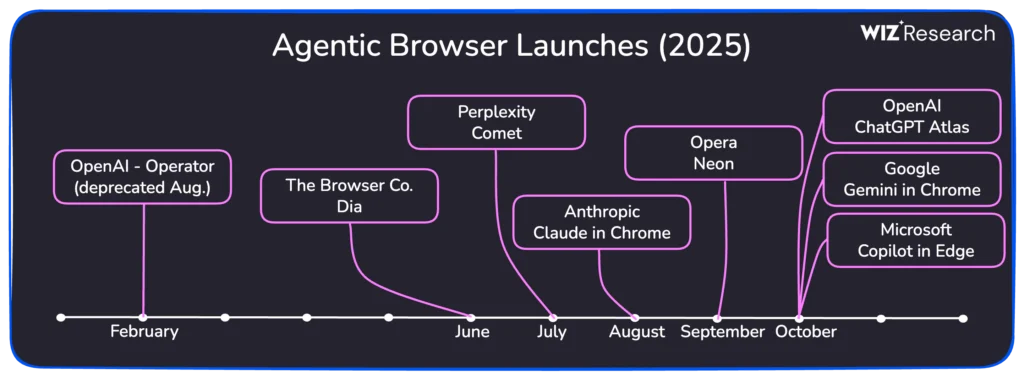
Figure 2. Agentic Browsers launched in 2025. Source Wiz Research
As the world pours massive investments into AI CAPEX, competition among frontier AI models has intensified, making intelligence increasingly commoditized by top firms like Google DeepMind (with Gemini) and OpenAI. This has led to dramatic improvements in intelligence-to-price ratios (Figure 3). Resultly, more powerful AI models can now deeply understand human online activities and provide precise actions based on that understanding.
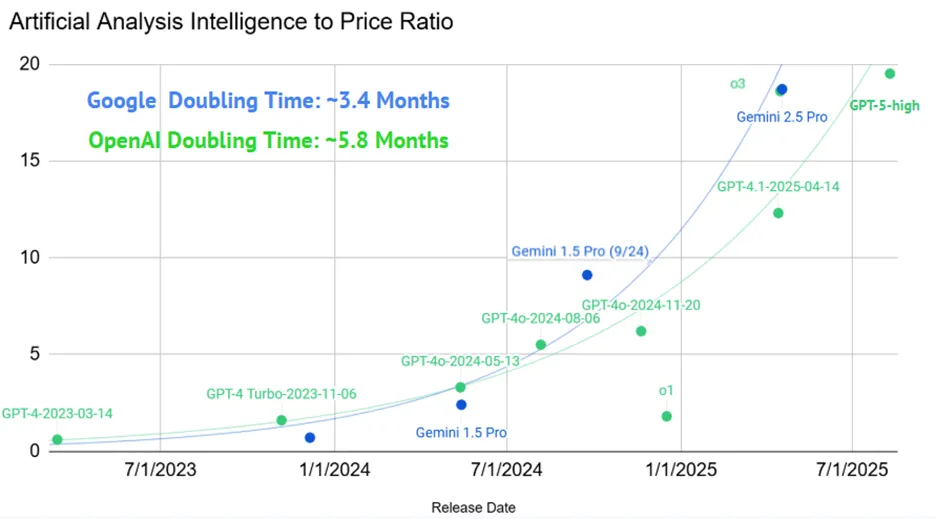
Figure 3. Cost-to-capability ratios are improving rapidly, doubling every 4 to 6 months.
Secondly, the rise of LLMs has shifted user behavior from traditional website browsing to chat-based interfaces. This has sparked “Browser War 3,” where players like OpenAI and Perplexity are challenging Google Chrome’s dominance with new edges. According to David (2025), Google holds more than 68% of the browser market share, generating $307.39 billion in revenue in 2023, of which about 57% came from advertising (largely tied to search and browser ecosystems). This enormous market opportunity has fueled the race for agentic browsers.
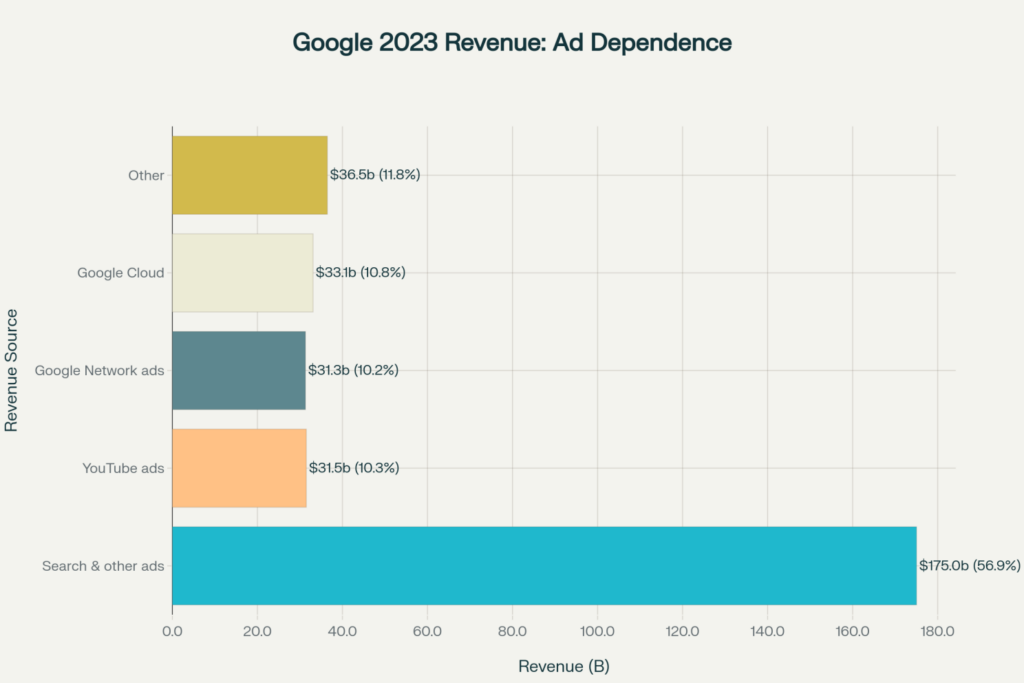
Figure 4. Google revenue breakdown
Key Players in Web2 and Web3
The agentic browser market is heating up fast, with projections pointing to explosive growth by 2026 thanks to heavy investments from Big Tech and user growing demand. It’s no longer just about browsing—these tools are becoming platforms for automation, personalization, and even Web3 integrations, though security concerns like data privacy remain a key challenge.
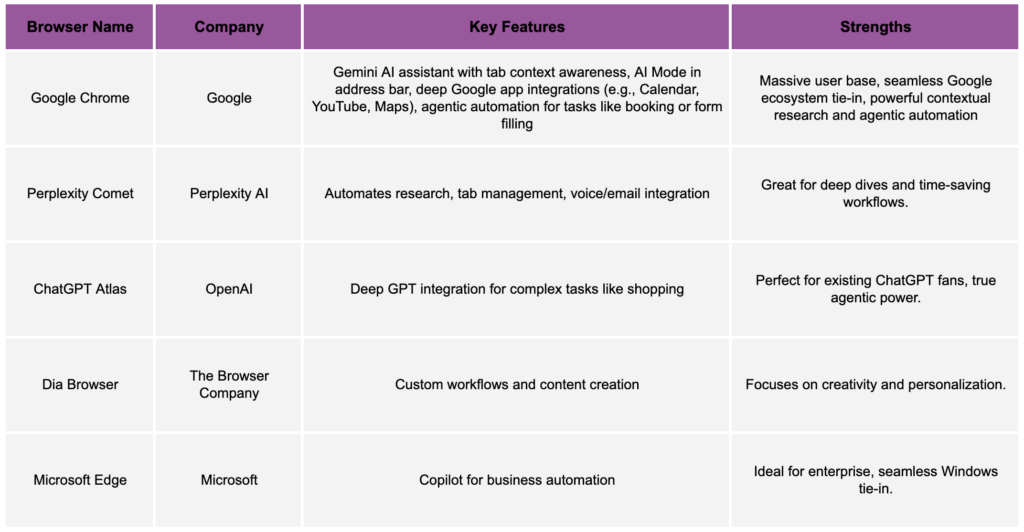
Besides, in terms of Web3 landscape, we have some noticeable agentic browsers that focus on onchain behaviour, :
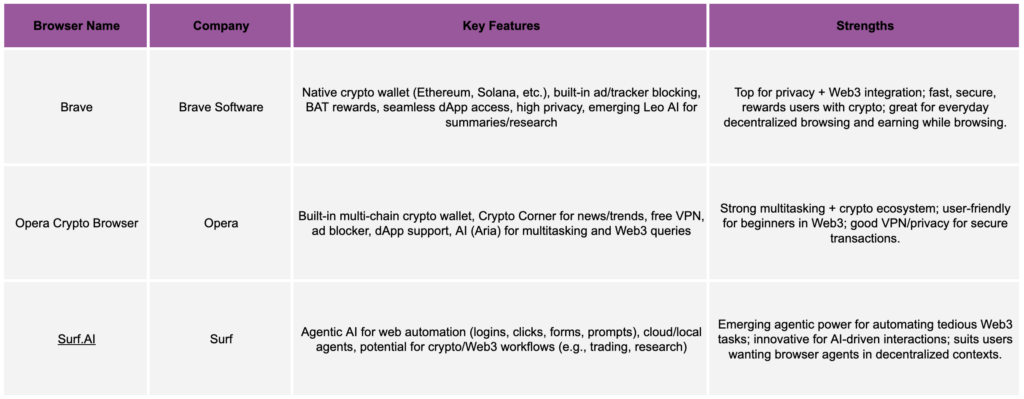
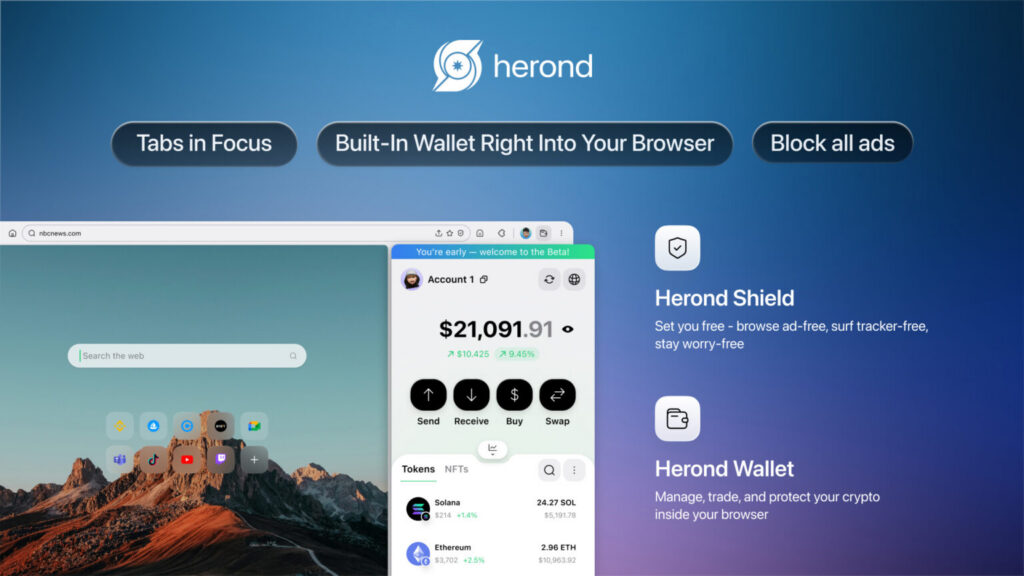
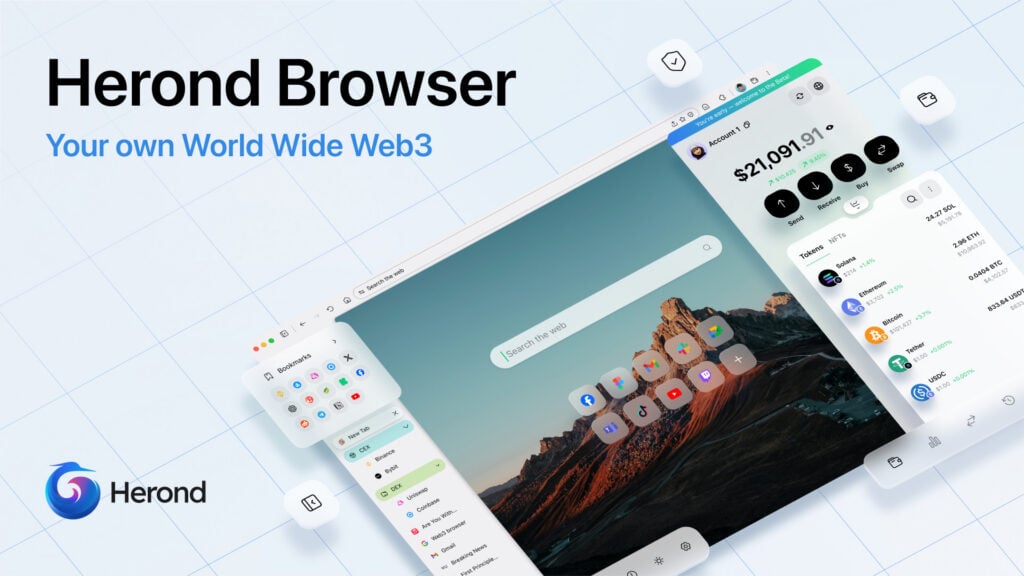
Noticeably, Herond Browser which owns both a browser and a Web3 wallet competitive edge by huge user distribution. LLMs integration allows for hyper-personalized research support, real-time market insights, and advanced trend pattern detection tailored to individual user behaviors and preferences paving the for Herond to become the next promising agentic browser.
About Herond
Herond Browser is a cutting-edge Web 3.0 browser designed to prioritize user privacy and security. By blocking intrusive ads, harmful trackers, and profiling cookies, Herond creates a safer and faster browsing experience while minimizing data consumption.
To enhance user control over their digital presence, Herond offers two essential tools:
Herond Shield: A robust adblocker and privacy protection suite.
Herond Wallet: A secure, multi-chain, non-custodial social wallet.
As a pioneering Web 2.5 solution, Herond is paving the way for mass Web 3.0 adoption by providing a seamless transition for users while upholding the core principles of decentralization and user ownership.
Have any questions or suggestions? Contact us:
On Telegram https://t.me/herond_browser
On Discord https://discord.gg/Herond-Browser
DM our official X @HerondBrowser