
In this corner, we have Opera web browser: a refined powerhouse that takes everything you love about deep Google integration and supercharges it with AI-assisted multitasking. It’s built for the user who needs to manage a dozen tabs and a busy calendar without breaking a sweat.
The choice in 2026 comes down to one core question: Do you want a browser that helps you find information, or one that actually executes on-chain tasks for you?
Architecture: Native vs. Integrated Web3
- Opera web browser‘s Philosophy: Opera web browser treats Web3 as a specialized “module.” It’s a high-performance engine that plugs in a crypto wallet and dApp support as extra features. It’s familiar and polished, perfect for those who want their browser to feel like a traditional workspace but with a crypto-ready sidebar.
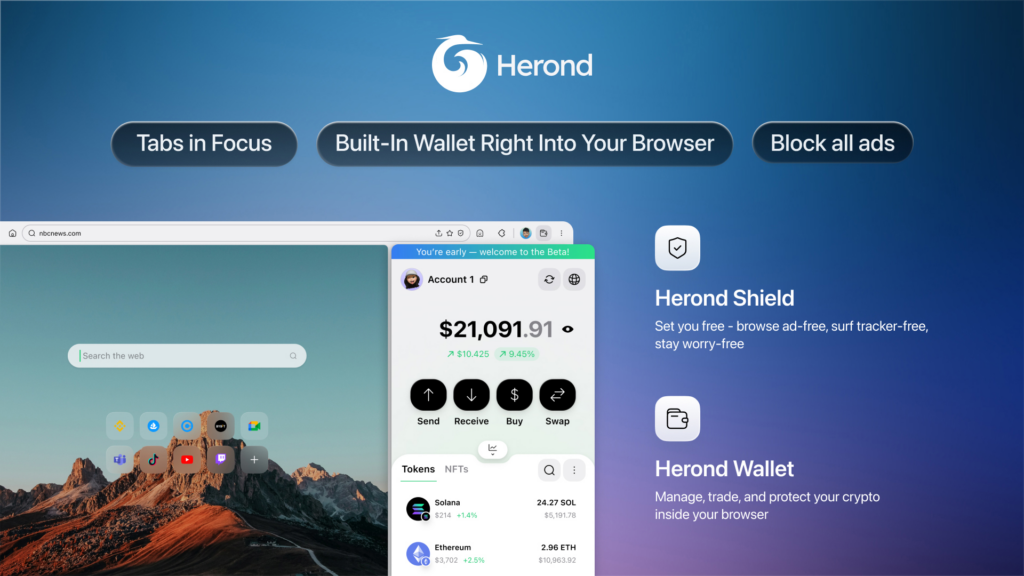
- Herond’s Native Build: Herond ditches the “plug-in” mindset entirely. By building the wallet directly into the browser’s core, no extensions required, it achieves a level of security that modular browsers can’t touch.
- The “Extension Fatigue” Factor: We’ve all been there, a browser bloated with five different wallet extensions, all fighting for permission and slowing things down. Beyond the lag, every extension is a potential security hole. Native integration wins because it removes the “middleman,” creating a direct, shielded path between your identity and blockchain.
AI Utility: Assistive vs. Agentic
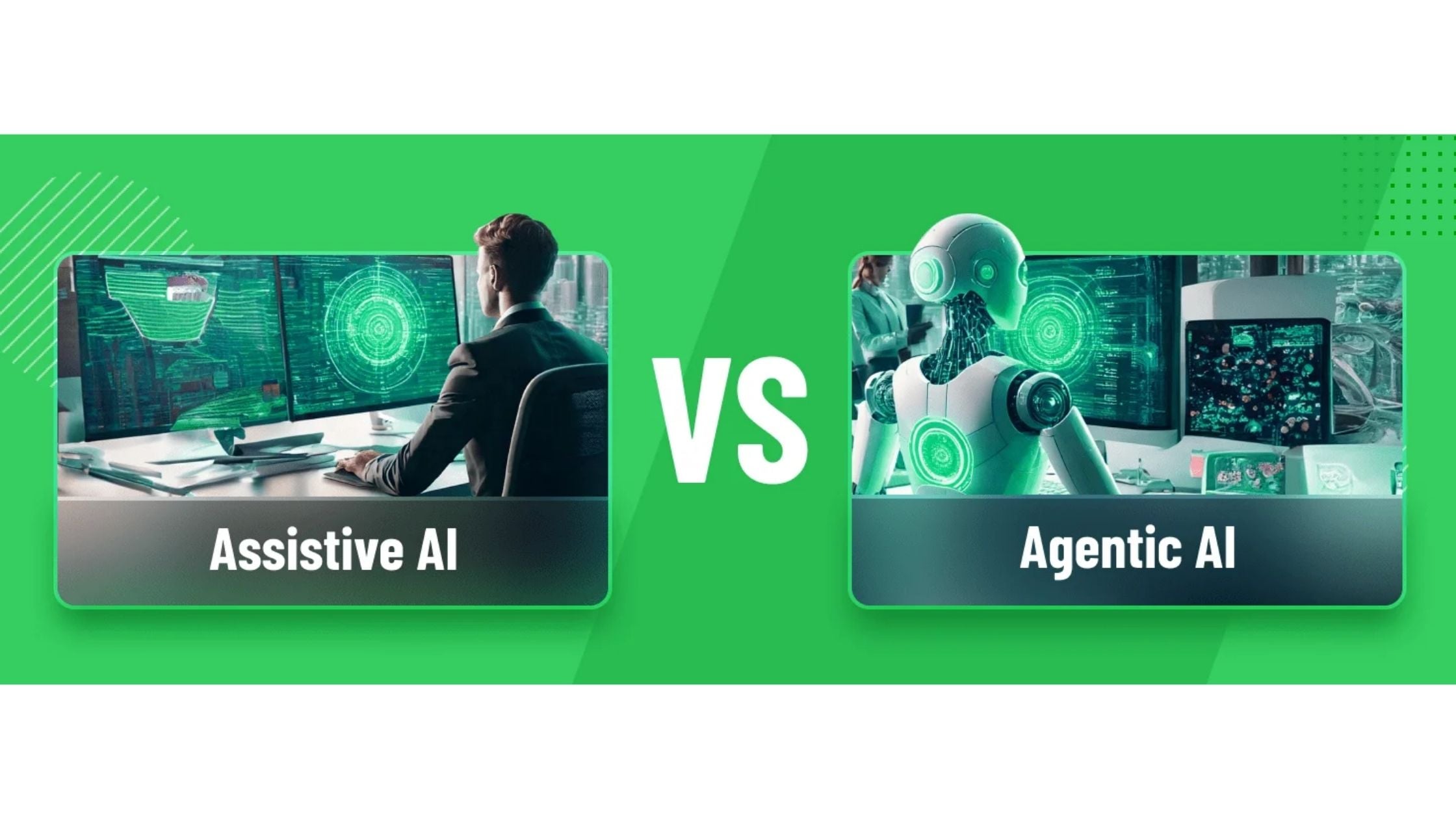
- Opera web browser‘s Aria AI: This is the king of productivity. Aria lives in your sidebar and handles the heavy lifting of research, it can analyze a 20-minute YouTube video in seconds, answer deep contextual questions, and even organize your messy tabs into “Tab Islands.” It’s like having a world-class librarian helping you manage your workflow.
- Herond’s Agentic AI: Herond goes beyond just “chatting” and moves into “doing.” It doesn’t just explain how a trade works; it executes it. Because it’s an Agentic AI, it can handle autonomous actions like one-click swaps, finding the best gas prices, or even managing automated yield farming while you’re offline.
- Your On-Chain Identity: Instead of just being a bot, the AI acts as the guardian of your HP (Herond Points). It manages your “On-Chain Passport,” tracking your contributions across the ecosystem, so your reputation and rewards grow automatically as you browse.
Privacy & Security: The “Shield” Showdown
- Opera web browser’s Security Suite: Opera sticks to the “all-in-one” toolkit. You get the classic built-in VPN (handy for quick region-swapping) and a solid ad-blocker. They’ve also introduced “Early Bird” mode, which lets you test-drive new security features before they go mainstream. It’s a great setup for everyday privacy and avoiding basic tracking.
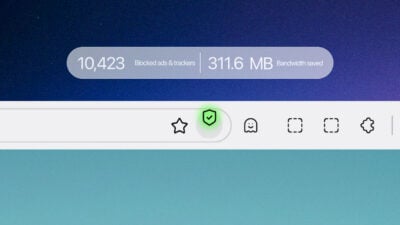
- Herond Shield & Zero-Fingerprinting: This is built for the Web3 native. While most browsers just “block all” or “allow all,” the Herond Shield uses Smart Permissions. It actually knows the difference between a malicious phishing pop-up and a necessary Web3 signature request.
- True Anonymity: Herond takes it a step further with Zero-Fingerprinting. Instead of just hiding your IP, it masks the unique digital “fingerprint” of your hardware and settings. It’s total anonymity, your on-chain activity stays yours, with zero data linked back to your real-world identity.
The User Ecosystem: Who is it For?
- Opera is for you if: You’re a professional who lives in your tabs and needs a “command center.” If your day involves juggling Gmail, Google Calendar, and four different Slack or WhatsApp conversations, all while keeping your windows split into a clean quad-view – Opera’s sidebar integration is unbeatable. It’s the ultimate productivity hub for the Web2.5 world.
- Herond is for you if: You’ve moved past just “browsing” and started “operating.” If you live on-chain, want your engagement to actually mean something via Herond Points (HP), and need an AI that doesn’t just talk but actually executes swaps and commerce for you, Herond is the move. It’s built for the person who wants their browser to be an active partner in the Web3 ecosystem.
Performance & Speed: The 2026 Benchmark
- Resource Management: Opera uses Tab Islands to keep your workspace visually organized, which is great for your brain, but can still be heavy on your RAM if you’re a tab hoarder. Herond takes a more invisible approach with AI-driven optimization, it literally learns which tabs and dApps you’re actually using and hibernates the rest in the background. It keeps your computer cool even when you’re running heavy DeFi dashboards.
- The “Clean Web” Factor: We all hate a cluttered web. Opera’s ad-blocker is a reliable classic, it cuts out the noise and makes pages load faster. However, Herond’s engine is tuned specifically for the 2026 landscape. The result is a browsing experience that feels significantly lighter and snappier.
Final Verdict: The Winner of the Web3 Era
- The Practical Winner (opera web browser): If your life revolves around high-speed productivity, research, and keeping your social feeds or work apps pinned to your sidebar, Opera is the king. It’s the perfect bridge for the professional who wants a polished, high-performance workspace with solid Web3 support on the side.
- The Innovation Winner (Herond): For those who are ready to let go of legacy browsing, Herond takes the crown. It’s built for the user who wants to live on the blockchain, offering a native, secure environment where AI agents handle the heavy lifting of DeFi and every click builds your digital reputation.
- Final Recommendation: Ultimately, it comes down to what you value most right now. Choose Opera if your priority is workflow and organization; choose Herond if your priority is wealth, security, and being a native citizen of the new internet.
Conclusion
Ultimately, the choice between opera web browser and Herond comes down to how you actually spend your time online.
By 2026, the gap between “Web2.5” and “Native Web3” has become a canyon. If your day is built around a heavy professional workflow juggling Google Workspace, keeping social sidebars open, and using AI to summarize meetings or research, Opera One R3 is an incredibly polished tool. It’s the ultimate choice for those who want a familiar, high-performance browser that treats crypto as a convenient, secure feature.
However, if you’re looking for a browser that does more than just show you the web, Herond is the clear winner for the next generation. It isn’t just a place to view dApps; it’s an Agentic AI partner that executes swaps, manages your “On-Chain Passport,” and builds your digital reputation via Herond Points (HP) while you sleep. By moving away from the “extension mess” and building security directly into the engine, Herond offers a level of safety and automation that legacy browsers simply aren’t built to handle.
About Herond
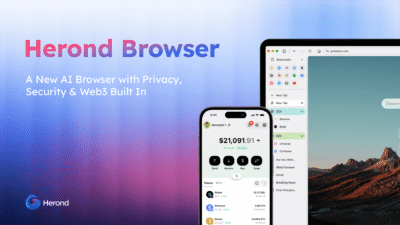
Herond Browser is the new AI browser, prioritizing privacy for a safer, faster, and smarter browsing experience with minimal data use. Built for the Web2-to-Web3 shift, it enables you to access the open web while you own your data, private Web3 assets, and earn true value.
To enhance user control over their compound experience, Herond offers:
- Herond AI: A new agentic browser that leads your workflow.
- Herond Shield: A robust adblocker and privacy protection suite.
- Herond Wallet: A secure, multi-chain, non-custodial social wallet.